

The Oyo State Government has confirmed five cases of Lassa fever, with one fatality, as authorities move to contain the outbreak and safeguard residents.
The disclosure was contained in a press release issued on Friday by the state Commissioner for Information, Prince Dotun Oyelade.

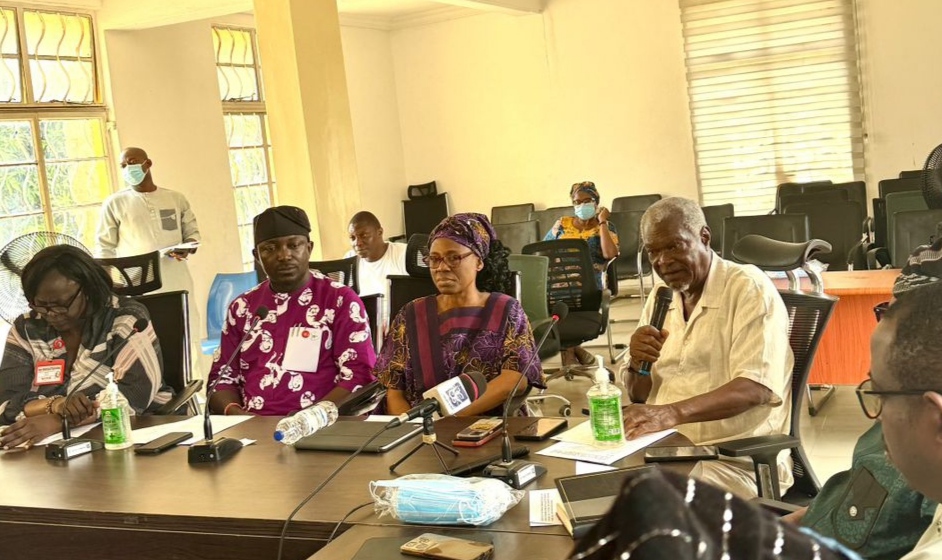
Speaking during a press briefing, the Commissioner for Health, Dr. Oluwaserimi Ajetunmobi, said the confirmed cases are currently being managed in designated isolation and treatment facilities, including the State Infectious Disease Centre (IDC), Olodo, and the University College Hospital (UCH) isolation unit, where specialized clinical care and containment protocols are being implemented.
She stated that the government had activated its emergency response framework, launching a coordinated multi-sectoral intervention in line with guidelines from the Nigeria Centre for Disease Control and Prevention and the World Health Organization.
Ajetunmobi praised Governor Seyi Makinde for his role, noting that his approval and release of emergency funds enabled the swift deployment of response measures.
She explained that key actions already taken include activation of the Incident Management System and Emergency Operations Centre, alongside the inauguration of a response team drawn from health, environment, agriculture, and information sectors.
The commissioner added that authorities had developed and begun implementing an Incident Action Plan, while surveillance efforts have been strengthened through active case search and monitoring of over 200 contacts.
Other steps, she said, involve the use of the Surveillance Outbreak Response Management and Analysis System for real-time data handling, establishment of isolation centres, and provision of Ribavirin and other essential materials.
She further disclosed that Infection Prevention and Control measures had been reinforced, including the supply and proper use of personal protective equipment, as well as the adoption of safe burial practices in collaboration with environmental health officials.
Ajetunmobi noted that sanitation exercises, fumigation, and decontamination of affected areas were ongoing, alongside continuous training of healthcare workers and public awareness campaigns through various communication channels.
On laboratory support, she said coordination had been strengthened with the UCH Biorepository Clinical Virology Laboratory to ensure prompt diagnosis.
She commended the University College Hospital, Ibadan, for its role in case management and laboratory services, while also acknowledging contributions from relevant ministries and development partners, including the Nigeria Centre for Disease Control and Prevention.
The commissioner urged residents to adopt preventive measures such as proper food storage, clean surroundings, avoidance of contact with rodents, regular handwashing, and early reporting of suspected symptoms, including fever, vomiting, or bleeding.
She advised the public to remain calm and cooperate with health authorities, assuring that updates would be provided as the situation unfolded.
Also, the Commissioner for Environment and Natural Resources, Engr. Ademola Aderinto said the ministry had deployed environmental health officers to educate residents on prevention, while engaging food vendors to ensure contaminated food does not reach consumers.
In his remarks, the Commissioner for Information, Prince Dotun Oyelade, said the administration is prioritizing security and health, urging residents to comply with directives from the Ministry of Health.
A representative of the Chief Medical Director of UCH, Prof. Jesse Otegbeye, represented by Prof. Bukola Adesina, said resources made available by the state government greatly assisted in managing the situation effectively, while describing the intervention as robust, comprehensive, and reassuring.