The Federal Government has moved to rein in rising textbook costs and uneven learning materials across Nigerian schools with the inauguration of a high-level committee to overhaul how books are approved, ranked, and selected for classrooms.

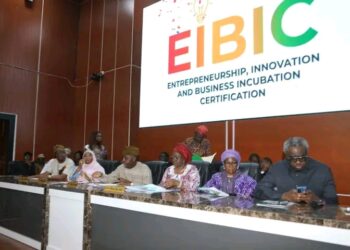
The move was disclosed in a statement issued on January 20, 2026, by the Federal Ministry of Education following the inauguration of the panel in Abuja.
The initiative is designed to reset the country’s textbook approval process, with attention on basic and senior secondary schools where parents and teachers have raised concerns over frequent book changes, inflated prices, and declining content quality.
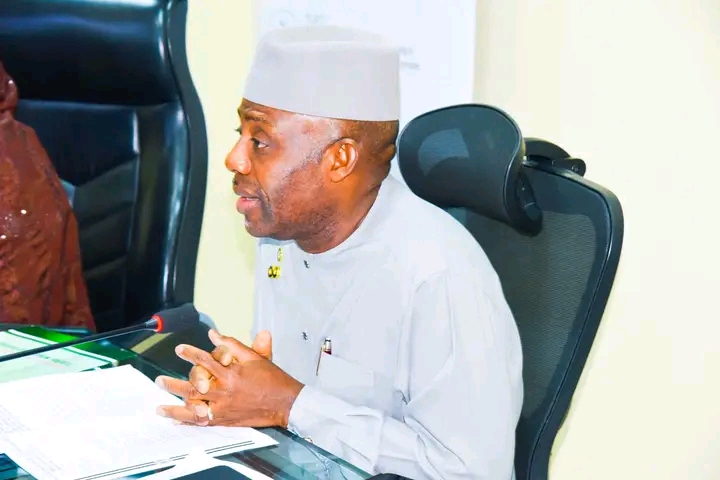
Education Minister Dr. Maruf Tunji Alausa said the current system allows repeated surface-level revisions of textbooks, compulsory pairing of workbooks with core texts, and price practices that strain families. He explained that these gaps weaken confidence in school materials and reduce access to learning resources for many pupils.
Under its mandate, the committee will draw up quality benchmarks for textbooks, introduce a clear ranking system based on evidence, separate core textbooks from consumable workbooks, open up pricing practices for scrutiny, and require meaningful content updates before new editions are approved.
The committee is chaired by the Minister of State for Education, Professor Suwaiba Sa’id Ahmad, and includes officials from the Federal Ministry of Education and agencies such as the Nigerian Educational Research and Development Council, Universal Basic Education Commission, National Senior Secondary Education Commission, and the National Teachers’ Institute. The Nigerian Educational Research and Development Council will act as secretariat.
Officials said the framework is expected to filter out weak materials, support teachers, protect parents from avoidable costs, and ensure better use of public funds in the education sector, in line with the Federal Government’s education reform agenda.