The Oyo State Government has restated its resolve to strengthen ties with the Food and Agriculture Organization of the United Nations (FAO) to improve farming methods and increase food production across the state.

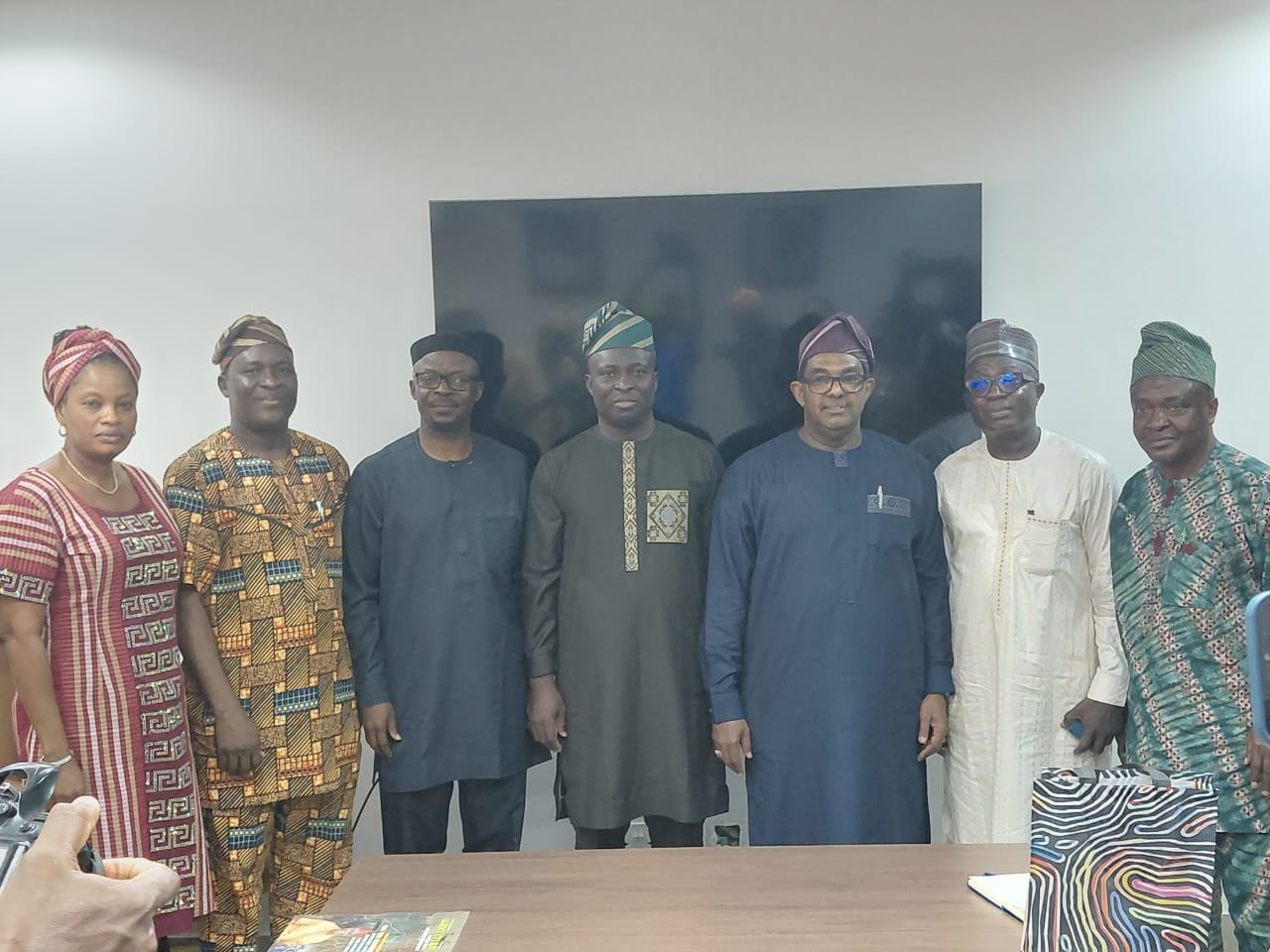
This was revealed in a press release issued by the Oyo State Government on Saturday, following a meeting between top officials and the FAO Country Representative in Ibadan.
Secretary to the State Government, Prof. Musbau Babatunde, who spoke on behalf of Governor Seyi Makinde, said the administration remains focused on building strong relationships with global development partners to advance agriculture and rural growth.
He said the government is determined to work with organisations such as FAO to promote innovation, increase farm output and drive sustainable development in rural communities.
Babatunde noted that agriculture remains central to the state’s economic plan, adding that partnerships with international bodies would help farmers gain access to modern techniques, training and improved inputs.
He also pointed to ongoing government interventions in the sector, stressing that the state is ready to welcome more technical support and knowledge sharing that would strengthen value chains and ensure food sufficiency.
Commissioner for Agriculture and Rural Development, Barrister Olasunkanmi Olaleye, said the administration has recorded progress through several initiatives targeted at farmers and agribusiness operators.
He listed the measures to include mechanised farming support and “the introduction of a 50 percent tractorization subsidy to support farmers, distribution of improved seedlings and farm inputs.”
Other efforts, he said, include “provision of fertilizers at subsidized rates, rehabilitation of rural farm roads, irrigation support programmes, and strengthening of extension services to reach farmers at the grassroots.”
Olaleye added that the government is also focusing on livestock development, fisheries, youth participation in agriculture, as well as agro-processing and value addition to reduce post-harvest losses and improve farmers’ earnings.
In his remarks, FAO Country Representative, Hussein Gadain, praised the state government for its approach to agricultural development and expressed willingness to expand cooperation.
He said the organisation is ready to deepen collaboration in “climate-smart agriculture, agribusiness development, and food systems transformation.”
Gadain also outlined FAO’s role in Nigeria, including “support for smallholder farmers through capacity building, provision of climate-resilient seeds, promotion of sustainable farming practices, pest and disease control interventions, and strengthening of food systems.”
He added that the agency supports farmers with early warning systems, digital tools and programmes designed to address climate challenges and improve food production nationwide.