

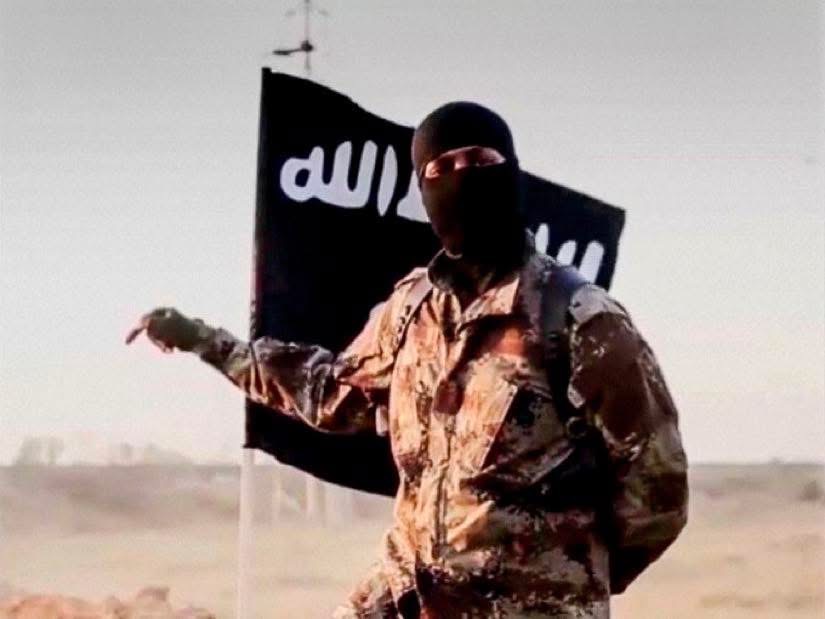
The Joint Task Force North-East, Operation Hadin Kai, says its troops have killed Abu-Bilal Al-Minuki, identified as a top Islamic State commander, during a combined air and ground offensive in Metele, Borno State.
According to a statement issued on Saturday by the Media Information Officer of Operation Hadin Kai, Lt.-Col. Sani Uba, the mission was carried out with support from the United States Africa Command after what he described as sustained intelligence, surveillance and reconnaissance operations.

Uba stated that the operation focused on a hidden and heavily fortified terrorist base located in the Metele area within the Lake Chad Basin corridor.
He said the assault led to the killing of Al-Minuki, also known as Abu Bakr ibn Muhammad ibn Ali al-Mainuki, along with several of his aides and other fighters.
The military identified the slain insurgent leader as a United States-designated Specially Designated Global Terrorist, listed in June 2023 under Executive Order 13224 over alleged involvement in funding and coordinating extremist activities across the Sahel and Lake Chad region.
The statement noted that the offensive began around 12:01 a.m. and ended about 4:00 a.m. on May 16, 2026, with precision air strikes backed by ground troops.
It added that special forces personnel were positioned to seal escape routes and assist the air component throughout the operation.
Uba said the mission was completed without casualties or loss of equipment among troops participating in the exercise.
He disclosed that Battle Damage Assessment is still ongoing, while follow-up clearance operations are being conducted to flush out remaining insurgents in the area.
Operation Hadin Kai described the operation as “a major breakthrough” in the fight against terrorism in the North-East, saying the development would “significantly degrade the operational capacity of Islamic State West Africa Province and affiliated networks in the region.”